


Many manufacturing, metallurgical, and high-temperature processing facilities overlook silent equipment damage caused by inferior graphite materials. Most buyers only focus on surface parameters such as size and appearance, ignoring internal density, impurity content, and high-temperature stability. These neglected hidden defects frequently lead to frequent parts replacement, unexpected production shutdowns, shortened service life of precision components, and rising overall operating costs. Choosing qualified and stable high-performance graphite precision components directly determines long-term production continuity and comprehensive cost control in continuous high-temperature working environments.
Irregular pore structures inside ordinary graphite materials accelerate oxidation and ablation under continuous high-temperature conditions. Tiny impurity particles react violently with molten metal, corrosive gas, and high-temperature media, forming unpredictable cracks and peeling layers. A large number of on-site production cases prove that low-grade graphite seals and structural parts often fail within a very short cycle, creating safety hazards that are difficult to detect in daily inspections. Professional customized graphite solutions supplied by Qingzhi Technology eliminate such fundamental quality risks through strict raw material screening and multi-stage precision machining processes.
The most common misunderstanding among industrial purchasers is equating all graphite parts with identical performance. In actual working conditions, thermal expansion coefficient, compressive strength, electrical conductivity, and corrosion resistance vary drastically between different graphite grades. Improper material matching will cause matching deviation between equipment supporting parts, increased friction resistance, and reduced thermal conduction efficiency. Even if the dimensional accuracy fully meets drawing requirements, mismatched material attributes will still cause irreversible equipment loss and unnecessary maintenance workload.
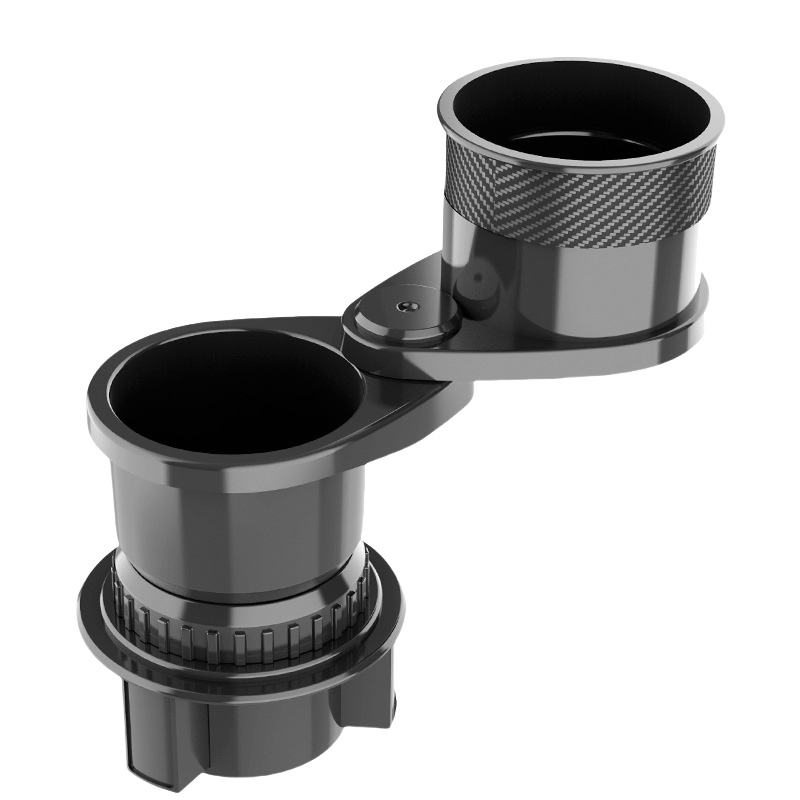
High-temperature oxidation resistance remains the core pain point that restricts stable operation of graphite accessories. Conventional graphite products rapidly lose structural strength when temperature exceeds normal operating thresholds, becoming loose and brittle. Once structural damage occurs, it will affect upstream smelting quality, downstream finished product precision, and entire assembly system coordination. Enterprises often spend a huge amount on maintenance and replacement but cannot fundamentally solve frequent failure problems, wasting a great deal of human resources, time costs, and production profits.
Chemical corrosion resistance is another deep-seated problem easily ignored in daily procurement. Graphite parts used in chemical smelting, vacuum furnaces, and special medium environments bear long-term erosion from acidic and alkaline substances. Unrefined graphite contains harmful impurities that accelerate chemical reaction corrosion, resulting in gradual thinning of component walls, airtightness failure, and leakage accidents. Reliable industrial graphite materials must maintain stable physical and chemical properties without deformation, dissolution, or performance attenuation under complex harsh working conditions.
Performance Comparison of Ordinary Graphite vs Premium Precision Graphite Components
| Performance Indicator | Ordinary Low-Cost Graphite | High-Purity Precision Graphite Products |
|---|---|---|
| Bulk Density | ≤1.70 g/cm³ | 1.80–1.92 g/cm³ |
| High-Temperature Oxidation Resistance | Poor, easy to ablate above 600℃ | Stable long-term use above 1200℃ |
| Impurity Content | High, multiple harmful residues | Ultra-low ash content, high purity refinement |
| Compressive Strength | Low, prone to cracking under pressure | High structural strength, shock-resistant |
| Service Life In Harsh Environments | Short, frequent replacement required | 3–5 times longer stable service cycle |
| Sealing & Airtight Performance | Unstable, easy to leak gas/liquid | High precision sealing, no medium leakage |
Deep hidden troubles behind short service life of graphite accessories mostly originate from immature molding processes. Rough processing leads to uneven internal stress distribution, and micro-cracks expand rapidly during frequent heating and cooling cycles. Mass production without precision detection cannot guarantee batch consistency, resulting in random quality differences between single parts. This instability makes it impossible for enterprises to formulate standardized maintenance cycles, bringing great uncertainty to continuous automated production.
Different industrial scenarios have differentiated hidden requirements for graphite material conductivity, lubricity, and wear resistance. Smelting industry demands ultra-high temperature resistance and anti-metal adhesion characteristics; vacuum thermal treatment equipment requires low air permeability and stable dimensional stability; mechanical sealing fields prioritize low friction and long-term wear resistance. Blindly selecting universal graphite parts cannot adapt to professional scene needs, and hidden matching risks accumulate continuously with operation time.
Long-term use of unqualified graphite parts also indirectly damages supporting core equipment. Abrasive dust falling from degraded graphite components enters bearings, pipelines, and precision cavities, accelerating wear of matching metal parts. Secondary damage spreads layer by layer, eventually causing overall equipment overhaul. Comprehensive loss far exceeds the price difference between high-quality graphite accessories and cheap inferior products, forming a vicious cycle of low procurement cost but extremely high comprehensive operation cost.
Strict raw material purification, isostatic pressing molding, high-temperature sintering, and CNC precision finishing jointly ensure stable performance of finished graphite products. Every batch undergoes strict dimensional inspection, density testing, high-temperature simulation testing, and impurity analysis. The finished products adapt to extreme working conditions including constant high temperature, strong corrosion, high pressure, and frequent temperature changes, fully meeting long-cycle stable operation requirements of modern industrial production.
Practical application experience verifies that reasonable selection of professional high-purity graphite structural parts can comprehensively reduce enterprise maintenance frequency, lower downtime loss, improve finished product qualification rate, and optimize overall production efficiency. Solving underlying material quality problems rather than passively repairing faults after failure is the most cost-effective operation strategy for industrial enterprises using graphite supporting components. Stable material quality becomes an invisible guarantee for safe, efficient, and low-cost sustainable production.